

Tower of Five Orders : ค้นหาหนังสือธรรมะ หน้า 10 / 31
หน้าหนังสือทั้งหมด
8
Marriage from a Dhamma Perspective
self, just as he or she ought to learn about us. Once a
foundation of mutual understanding, mutual respect
and shared virtues is built, a happy marriage will
follow.
Marriage - a Dhamma point of view
Marriage is a critical aspect of life that requires careful consideration before entering. It is not just about love, but about mutual respect, understanding, and shared virtues that lead to a happy u
10
Delicate Love and Buddhist Values in Relationships
Delicate Love
Buddhist traditions serve as wonderful guidelines for
a couple's married life. If we are to study Buddhist
traditions, we will learn to distinguish which actions
are appropriate and inap
Delicate Love discusses the guidance provided by Buddhist traditions for couples in their married life, emphasizing ethical actions and the importance of The Five Precepts. It contrasts modern views o
24
The Responsibilities of Parents and Children
their spiritual values. We need to educate them on the
pros and cons as well as the benefits and dangers
related to this subject, even if they call us
old-fashioned and boring. We have to explain that
This text emphasizes the responsibilities of parents in guiding their children towards love, morality, and success. Parents must model virtuous behavior, educate, and provide emotional support while t
41
Transforming Lives Through Meditation
ERVICE
answers, so I replied calmly and said: "My dear, merit
is the brightness that emanates from within. If you
don't believe me, you can try meditation for yourself."
Then, I called the teaching mo
This narrative illustrates the power of meditation in transforming lives. The author shares their experience of introducing meditation to their husband, who, surprisingly, embraces it and finds joy in
38
Five Responsibilities of a Husband and Wife in Marriage
1. Five Responsibilities of a Husband to His Wife
1.1 Appreciation. The husband should openly respect
her as his lawful wedded wife, not furtively keeping her like a
mistress. If his wife does somethi
เนื้อหานี้แสดงถึงความรับผิดชอบของสามีต่อภรรยา ได้แก่ การให้ความเคารพ, การไม่ดูถูก, ความซื่อสัตย์, การให้สิทธิในการตัดสินใจและการดูแลเรื่องเสริมสวย ขณะเดียวกันก็ระบุความรับผิดชอบของภรรยาต่อสามี เช่น กา
55
Raising a Child to be Wholesome
Raising a Child to be Wholesome
Wholesome children have parents who have taught them
to have discipline in both their worldly lives and in Dhamma.
Discipline is taught in conjunction with their use of
การเลี้ยงดูเด็กให้มีความดีงามนั้นเริ่มจากการสร้างวินัยทั้งในชีวิตประจำวันและในด้านธรรมะ โดยการตั้งตัวอย่างที่ดีจากพ่อแม่ ผู้ปกครองควรสอนเด็กให้มีวินัยในการพูด การใช้เวลา ความสะอาด และการจัดระเบียบ เพื
88
Building a Unified Community: The Four Bases of Social Solidarity
If parents behave appropriately toward their neighbors,
they will be loved and respected. Then it may be appropriate
for them to remind their neighbors of the neighbors' behavior.
The Lord Buddha taug
The text discusses the importance of parents' behavior towards their neighbors, emphasizing Buddha's Four Bases of Social Solidarity: Generosity, Kind Speech, Useful Conduct, and Even Treatment. It hi
142
Understanding the Four Basic Necessities and Precepts
The senior monk : Now I want you to think about what we
need to live.
The children
: Air, food, and water, sir, as well as
medicine, clothing, and a house. We also
need money to live.
The senior monk
In this dialogue, a senior monk teaches children about the essentials needed for life: air, food, water, medicine, clothing, and shelter, referred to as the Four Basic Necessities. The monk emphasizes
171
Cultivating Mindfulness and Moral Foundations in Families
their families to have control over themselves at a young age,
the grandparents instilled them with generosity through alms
offerings to the monks and daily observance of the five
precepts. These whol
This text discusses how families can instill moral values and mindfulness in children through daily Dhamma studies, teachings, and meditation. It emphasizes the importance of generosity, the awareness
197
Understanding the Wisdom of the Lord Buddha
Since we must seek refuge in our own wisdom in times
of sorrow and happiness, we can appreciate that the Lord
Buddha's supreme wisdom (of how to lead one's life) is indeed
comparable to none. His pure
This text emphasizes the supreme wisdom of the Lord Buddha, which serves as a guide in both sorrow and joy. It highlights the causes of life's vicissitudes, including the Law of Cause and Effect (Kamm
77
Addressing Family Issues for Child Development
Part Three: Problems Within the Family
towards their happiness, spoiling our children neglects their
important emotional and spiritual growth. Spoiled children
usually end up more unhappy in the long-
Part three discusses the critical issues faced within families when children are spoiled, leading to unhappiness and self-destructive behaviors. It emphasizes the role of parents as teachers in guidin
117
Truth for the Family: Understanding Life and Kamma
Part Five: Truth for the Family
has given me an understanding of life in a new way. Firstly,
death is not the end. We still have to be reborn as long as
we have not gotten rid of our own kilesa. Secon
Part Five of 'Truth for the Family' delves into profound insights on life, emphasizing that death is not the end and that our virtues and vices have consequences. It explores the concepts of kamma and
124
Good Deeds and Their Outcomes
Part Five: Truth for the Family
Chapter 22
Good Deeds and
Their Outcomes
Whenever someone is facing a situation that s/he
considers unfair, s/he will start to think, "There is no such
thing as good de
Part Five discusses how perceptions of fairness impact beliefs about good and bad deeds. Many feel that good deeds do not guarantee favorable outcomes while bad actions might yield rewards. This chapt
126
Truth for the Family: The Impact of Good Deeds
Part Five: Truth for the Family
that good deeds will always bring favorable outcomes and
vice versa.
Important to Remember:
1. The first stage of good deeds: When we have done
something good, even if
Part Five of the text discusses the importance of good deeds within a familial context. It details four stages of good deeds: self-satisfaction from the initial act, the development of a virtuous pers
133
Understanding the Law of Kamma in Family Dynamics
Part Five: Truth for the Family
caution: We should know the mentality of the people
around us! Initially, they may give us moral support.
But once we advance too far and too fast, they may
become anta
Part Five discusses the significance of understanding the timing and locality of our actions when seeking moral support from those around us. It highlights the Law of Kamma, explaining why good deeds
134
Truth for the Family: Understanding Kamma and Promotions
Part Five: Truth for the Family
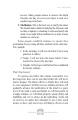
ripen and that person will be punished. The Law of Kamma
is universal! We are all heir to our kamma.
Kamma and Promotion The concept of having the right
objective and e
Part Five discusses how the universal law of Kamma affects both family interactions and workplace promotions. It highlights the natural reactions of employees to discrepancies in promotions, such as j
139
Truth for the Family: Cultivating Boonya
Part Five: Truth for the Family
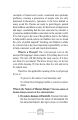
boonya. Many people choose to observe the Eight
Precepts one day (or even seven days) a week on a
regular long-term basis.
3. Meditation. This is the best way to purify
Part Five focuses on the significance of boonya, achieved through daily practices like generosity, observing Eight Precepts, and meditation. Following a routine enhances mental purity, leading to joyf
143
Truth for the Family: Understanding Precepts and Human Nature
Part Five: Truth for the Family
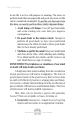
stockpile of behavioral (social, emotional and spiritual)
problems, creating a generation of people who are only
interested in themselves. Ignorance is the force behind
In this section, we discuss how behavioral problems contribute to a self-centered generation and the role ignorance plays in social issues. Parents often blame external factors for their children's st
158
Truth for the Family: Living with Purpose
Part Five: Truth for the Family
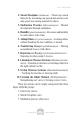
in our life is to live with purpose or meaning. The more we
perform deeds that are purposeful and good, the more our life
can be considered meaningful. To get the very
Part Five emphasizes that a meaningful life involves purposeful actions. It suggests avoiding evil, maximizing good deeds, and meditating to maintain a clear mind. The state of our mind at death impac
159
Truth for the Family: Essential Practices for Moral Living
Part Five: Truth for the Family
2. Moral Discipline (silamaya) - Observing moral
behavior by restraining our speech and actions to do
only good; not causing turmoil for others.
3. Meditation Practice
Part Five discusses vital practices for families to cultivate a moral lifestyle. It highlights the importance of moral discipline (silamaya), meditation (bhavanamaya), and humility (apacayanamaya) amo